Everything you need to dial fit, packing, fueling, foot care, and safety.
Jump to: Ruck Fit & Adjustment • Packing & Weight Placement • Hydration Strategy • Fueling Calculator • Socks & Lacing • Foot Care & Taping • Weather & Layers • Night Safety & Light • Troubleshooting • Downloads
Ruck Fit & Adjustment
Goal: weight rides tight to your spine, centered mid-back. Shoulder straps snug; chest strap level with mid-sternum; optional hip belt lightly loaded for long efforts.
- Straps: snug, not crushing; zero bounce when you jog 5–10 steps.
- Back panel: no hard edges; pad plate if needed.
- Breathing room: keep upper chest free; avoid shrugging.
Quick test: lean forward 10–15° and hop—ruck shouldn’t shift.

What Clint Uses: GORUCK Rucker 4.0 (20L) for short training; Eberlestock Hi-Speed II for longer mixed terrain. Full of gear for weight, straps snug, sternum strap mid-chest.
Packing & Weight Placement
Heavy goes high and tight; everything soft fills the gaps. Prevent movement = prevent chafing.

- Plate / sandbag centered mid-back, strapped tight.
- Soft layers (shell, spare socks) pad edges.
- Fuel & small kit in top pocket for quick grabs or Clint’s preference in a hip pouch.
- Bladder against back panel (if used); hose routed over shoulder.
Rule: shake test before leaving—if it rattles, repack.
Quick Layout
- Top: headlamp, shells, snacks
- Mid (against back): weight
- Front: foot kit & first aid
- Side: bottles or poles (Clint rarely uses poles)
Compression
- Use internal straps first
- Then external side straps
- Finish with sternum strap—recheck after 10 min
Hydration Strategy
Baseline intake: ~0.5–1.0 L/hr depending on heat and effort. Prefer steady sipping over chugging.

CamelBak Hydration 3L — wide design fits perfectly on the top of Clint’s ruck, for refill without digging it out; easy insulated hose disconnect. (Amazon)
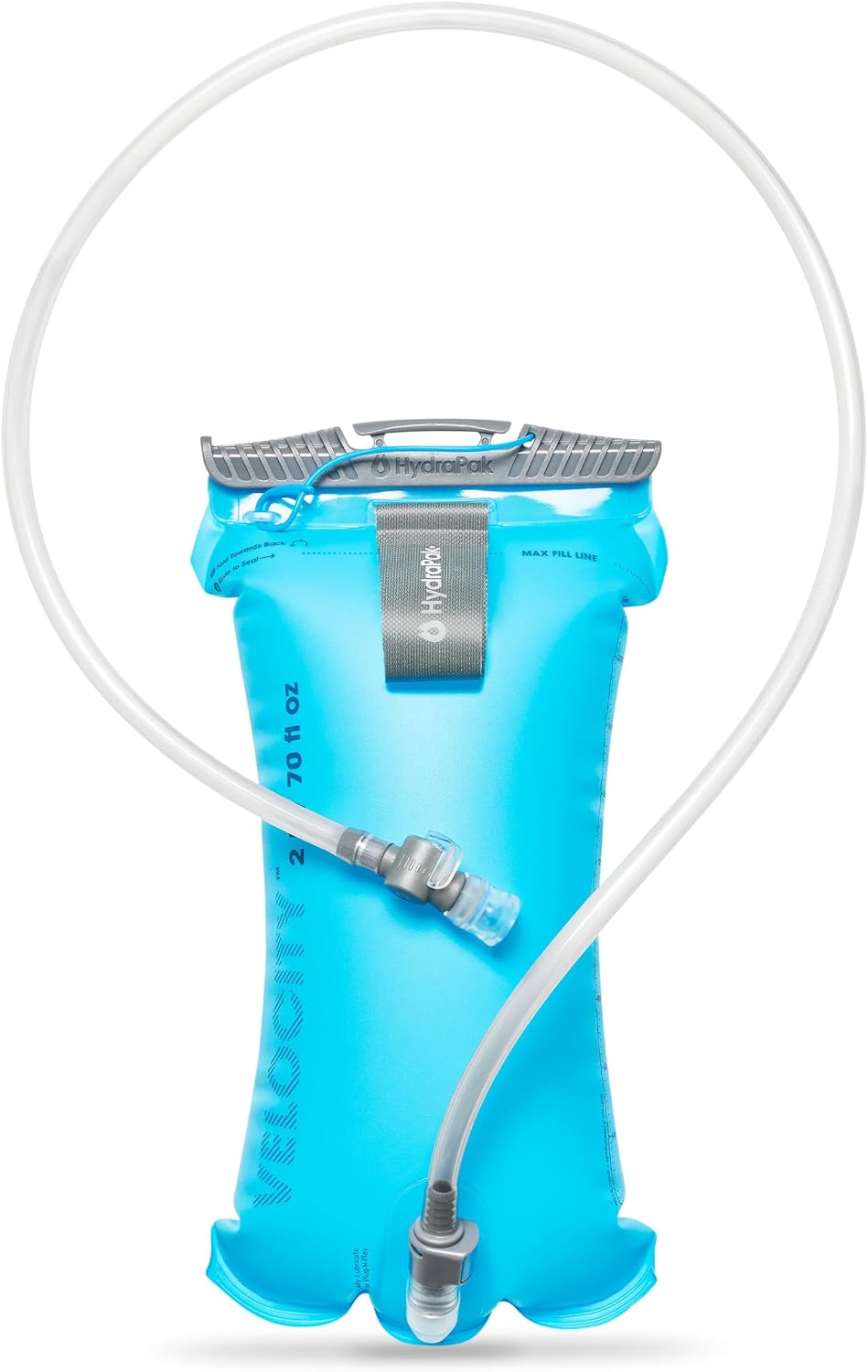
HyrdaPak Velocity 2L — wide mouth, easy clean, great flow, doubled with Clint’s CamelBak to carry pure water. (Amazon)

Two 1L bottles (Nalgene/Smartwater) — simple, mix by bottle, easy intake tracking. (Amazon)
What Clint Uses: 1-1.5 scoops Skratch per liter; dual bladders on longer, hot, or remote days, the second with plain water.
Fueling Calculator
Start at 200–300 kcal/hr. Sodium generally 300–600 mg/hr (heat or heavy sweat up to 800–1,000 mg/hr). Practice during training efforts.
| Body Weight | Target kcal/hr | Sodium mg/hr | Example Mix |
|---|---|---|---|
| <150 lb | 200–250 | 300–600 | 1 waffle + 12–16 oz sports mix |
| 150–190 lb | 225–275 | 400–700 | 1 gel + chews + 16 oz mix |
| >190 lb | 250–300 | 500–800 | 1 gel + 1 waffle + 16–20 oz mix |

Honey Stinger waffles — easy carbs; stack to hit hourly targets. (Amazon)

Honey Stinger chews — easy carbs; stack to hit hourly targets. (Amazon)

GU Energy gels — variety pack — test flavors/caffeine on training days. (Amazon)

Skratch Hydration Mix — clean taste; dependable electrolytes. (Amazon)

Hyperlyte Mix — light flavor; effective sodium (current go-to). (Brand)

SaltStick Caps — Electrolyte Capsules, simple dosage and packing. (Brand)
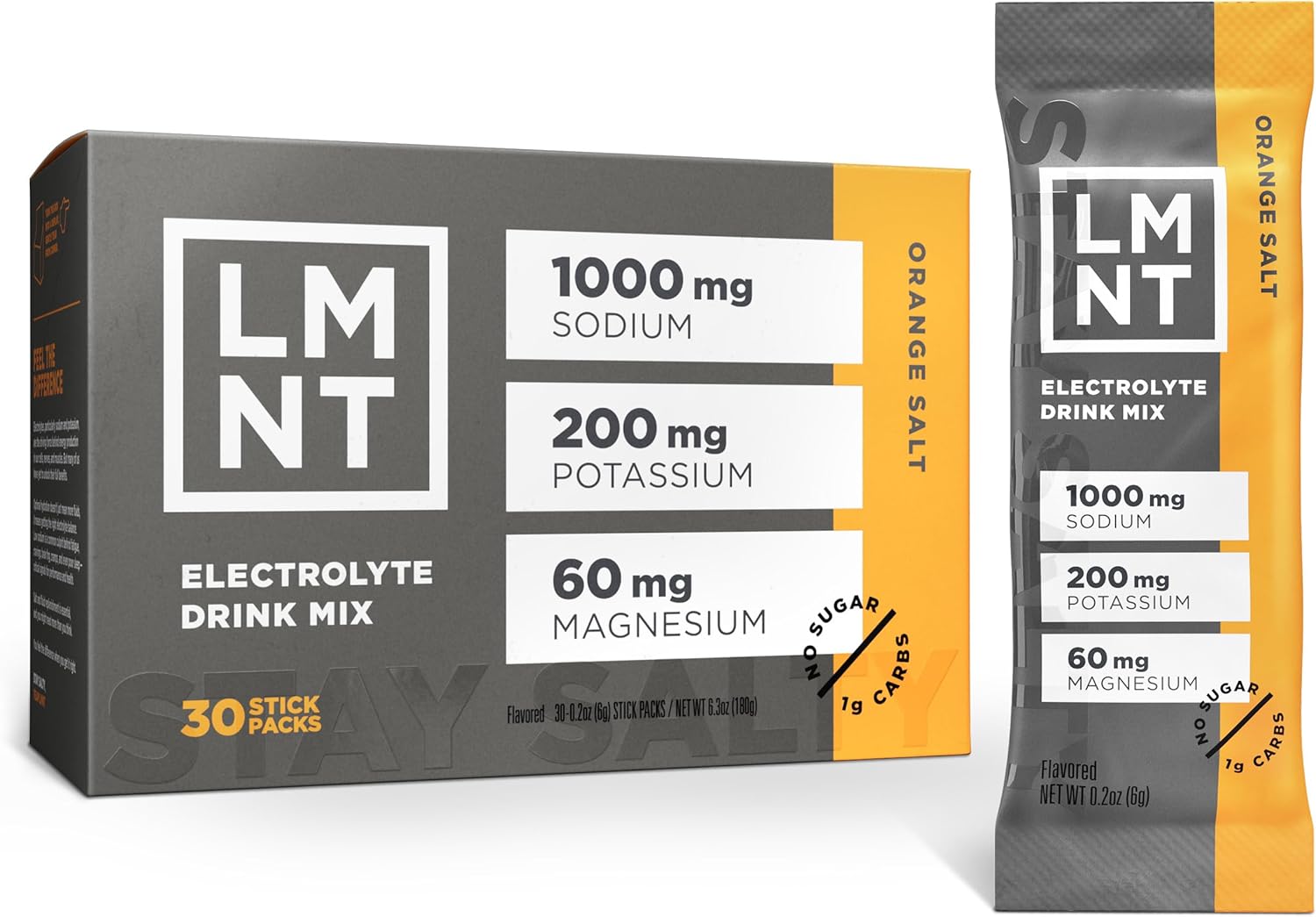
LMNT — Zero Sugar Electrolytes. (Amazon)
Socks & Lacing
No cotton. Go merino or technical synthetics. Consider toe liners if you get between-toe rub.

Darn Tough Merino — durable, blister-smart; lifetime warranty. I wear these when the trail is hard packed and I need a little extra cushion. (Amazon)

Mud Gear Ruck Socks — the ultimate in comfort with the snugness around the arch. (Amazon)

Injinji Toe Liners — reduce between-toe friction; pair with Darn Tough or Ruck Socks outer sock for full foot protection from blisters. (Amazon)
Lacing Techniques
- Heel lock: prevents heel slip; use runner’s loop on top eyelets.
- Midfoot cinch: lace snug to remove slop but keep toe box roomy.
- Downhill relief: re-lace slightly looser in forefoot on long descents.

Foot Care & Taping
Rule: At the first “rub,” stop and tape. Don’t wait. Keep feet dry; swap socks on long days.

Leukotape — ultimate blister prevention; zero stretch, stays put. (Amazon)

Hydrocolloid pads — seal and cushion blisters; cut to size. (Amazon)

Trail Toes — The ultimate in anti-chafing and anti-blisters on your feet or anywhere else. (Amazon)

Blister Shield — A good product when you don’t need the full protection of Trail Toes and don’t want the mess. (Amazon)
Hotspot Taping (Quick)
- Dry skin; clean with alcohol wipe.
- Round corners on tape; no wrinkles.
- Anchor strip with pressure.

Blister Care (On-Trail)
- Drain with sterile pin only if pressure is high.
- Hydrocolloid pad over clean skin.
- Lock edges with Leukotape.

What Clint Uses: Leukotape, alcohol wipes, small scissors; toe liners for big-day insurance.
Weather & Layers
Dress for the first 10 minutes a little cool. Carry a featherweight shell and spare socks on variable days.

Outdoor Research Helium wind/rain shell — packs tiny; deploys fast. (Amazon)
Cold
- Merino base
- Mid-layer fleece (Clint rarely wears this unless it is close to freezing, the ruck keeps his temps regulated)
- Shell in top pocket (Clint will use this on cold and windy days)
- Dry socks + thin gloves
Heat
- Light synthetic top
- Electrolytes every bottle
- Sun hat & SPF
Wet/Wind
- Featherweight shell
- Pack liner or dry bag
- Anti-chafe on toes/heels
- Spare socks protected
Night Safety & Light

Petzl Aria 2 RGB — bright, reliable, easy batteries. (Amazon)
- Carry spare battery or power bank
- Reflective band if near roads
- Emergency card with contacts

UltrAspire 850 Duo Wasist Light Belt — bright, reliable, easy batteries. (Amazon)
- Premium price
- Lights up the trail extremely well
- Battery lasts all night on medium setting
- Clint’s preferred light for any pure rucking or run events in the dark.
Troubleshooting
Hotspots/Blisters
- Stop at first rub; tape immediately
- Air/dry feet on long days
- Change socks; add toe liners if between-toe rub
Low Energy/Nausea
- Back off pace; cool down
- Small sips, bland carbs (waffle/pretzels)
- Reset with steady dosing for 20–30 min
Shoulder/Back Hot Spots
- Tighten straps, re-center weight
- Pad sharp edges; compress load
- Lean forward slightly on climbs
Downloads
Need help? Email Clint a photo of your pack fit, foot taping, or anything else, I am happy to sanity-check.
