The last three years have been a forge. Through rucking, I’ve taken on multiple Green Beret Fitness mountain challenges that tested me physically and mentally, each one sharpening the edge a little more. Those events inspired me to push deeper into the mountains—long days in Mt. Rainier National Park, climbing steep technical ascents, and training on terrain that doesn’t forgive mistakes.
Last year, I stood on the Barkley Fall Classic starting line and made it 26 miles. On paper, 26 miles is an achievement. But at Barkley, it wasn’t enough. The cutoffs loomed, the climbs stacked up, and the mountain sent me home earlier than I wanted.
That unfinished business has sat with me for a year.
I’m not the fastest runner out there, and I don’t need to be. This isn’t about chasing speed—it’s about chasing the adventure, the challenge, and the test.

The History of Barkley
The Barkley Marathons were created in 1986 by Gary “Lazarus Lake” Cantrell in the rugged hills of Frozen Head State Park, Tennessee. Inspired by the prison escape of James Earl Ray, the event is infamous for its brutal design: roughly 100+ miles, over 60,000 feet of elevation gain, unmarked trails, and navigation challenges that break even elite endurance athletes. In nearly four decades, only a handful of runners have ever finished within the 60-hour cutoff.
To give more athletes a taste of that challenge, the Barkley Fall Classic (BFC) was introduced in 2014. It’s a course of about 50 kilometers, designed to showcase the steep climbs, technical trails, and punishing terrain that define the Barkley legacy. The BFC still carries strict cutoffs and forces participants to navigate infamous sections like Rat Jaw and Testicle Spectacle — names that remind you this is no ordinary ultra.
The Barkley is less about distance and more about discovering what happens when the mountain pushes back. The Fall Classic carries that same spirit, offering athletes a chance to test themselves against one of the toughest courses in the world.
For a deep dive into the legend, check out The Barkley Marathons, The Race That Eats Its Young documentary.

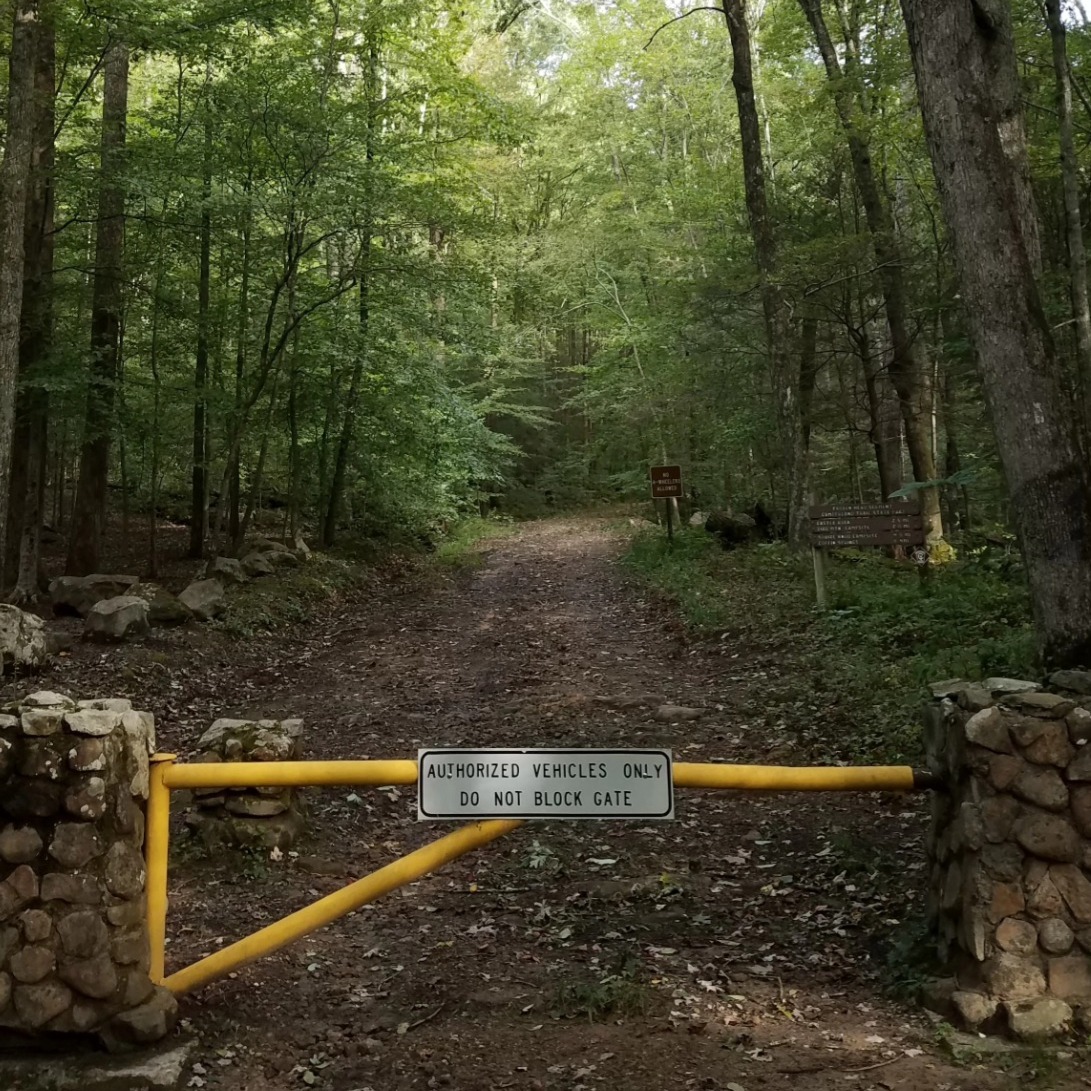
Photo by Michael Hodge via Wikipedia, used under CC BY-SA 4.0.
What’s Different This Year
The last three years have been a forge, but this year’s preparation for Barkley has been its own test. Every rucking event and mountain mile has stacked on the last, sharpening me for the return to Tennessee:
- Operation OCALA (2025): Came back to the swamp with hard lessons learned and a dialed-in ruck.
- Operation MOAB: The desert tested my endurance in new ways—long miles, heat, and carrying weight over unforgiving terrain.
- San Diego 100 (Pacing): I paced through the middle of the night and witnessed Sam fight her battle with the course, learning from every step she made. It gave me a front-row view of resilience under pressure.
- Operation TWO-ZERO: 22 miles, 5,300 feet of gain, nearly 32 pounds on my back. Finished in 7:57, moving more efficiently than ever.
- Operation YOSEMITE: Time on feet, altitude, and pure mountain miles built staying power.
Each one added a layer: swamp grit, desert toughness, mountain confidence, weighted strength, and time in altitude. Together, they’ve been my preparation for the Barkley Fall Classic.

Elevation, rucking, and altitude have become a powerful training combo in preparing for the Barkley Fall Classic.
The Training Block
This last block has been the sharpest of all and something I saw as impossible a few years ago:
- Average: Over 40 miles per week and 10,000 feet of gain.
- Focus: Easy Zone 1/2 runs to build the base, moderate trail runs to dial in rhythm, and massive climbs to harden the legs and lungs.
Now I’m one week out and already feeling the effects of tapering. Last Thursday’s Zone 2 run with strides finally felt smooth—as if my body is beginning to recover from the last three weeks of monster work. For me, that’s the signal the system is resetting, and the legs will be ready when it matters.
That consistency from Omni Athlete Training Systems and this taper gave me confidence I didn’t have last year. Instead of guessing if I can handle the vert, I’ve been living in it.


My Why
“I don’t need to be fast—I need to be unbreakable.”
Rucking is where it all started. Carrying weight on my back has taken me places I never imagined—physically, mentally, and to events like the Barkley Fall Classic. It taught me grit, patience, and how to keep moving when every part of me wanted to stop.
I can’t explain why these hard efforts and amazing places satisfy whatever I’m looking for—they just do. And the people who surround these extremely hard events are incredible. I’m always looking forward to being on the mountain or the course with these athletes. I’m starting to feel like I belong.
There’s still so much more work to do. But my intent is simple: keep having fun and let the chips fall where they do.
Speed was never my goal. Determination is. For me, this is an adventure—a chance to see what the mountain throws at me, to walk through fire, and to keep moving forward no matter the pace.
I’ve been broken before—in business, in races, in training. But I’ve learned that being unbreakable doesn’t mean never failing. It means refusing to stay down.


Looking Ahead
This Saturday, I’ll step back into those Tennessee mountains with one goal: to keep moving forward no matter what the course throws at me.
With three years of lessons behind me, I’m not chasing speed—I’m chasing the adventure, and I refuse to let the mountain have the last word.
And when it’s over, I’ll share the story—whether it’s a triumph or another lesson. Either way, it will feed into the next step of this journey: the Backyard Ultra.
Because endurance isn’t about a single finish line. It’s about becoming unbreakable.
The last three years have been a forge, and Barkley Fall Classic is where the hammer strikes again. Whatever happens on that mountain, I’ll come out sharper—ready for the next fire, the next climb, the next test.


Leave a Reply